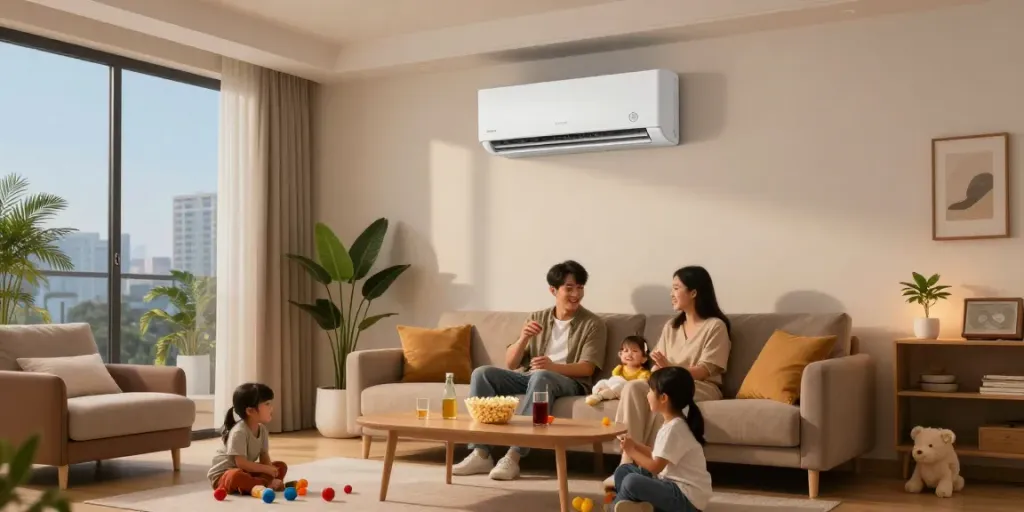
Understanding the Basics of Mini Split Air Conditioners
As the need for efficient climate control systems in residential and commercial spaces continues to rise, mini split air conditioner have emerged as a preferred choice for many homeowners. These systems combine versatility with energy efficiency, making them ideal for a variety of buildings. In this article, we will explore what mini split air conditioners are, how they work, their benefits, and tips for selecting and installing the right system for your needs.
What is a Mini Split Air Conditioner?
A mini split air conditioner, also known as a ductless system, consists of two primary components: an outdoor condenser unit and one or more indoor air handling units. This arrangement allows for precise temperature control in different areas of a home or building without the need for ductwork. The indoor units are typically mounted on walls or ceilings, blending seamlessly with the existing decor.
Components of a Mini Split System
Understanding the components of a mini split system is crucial for selecting and maintaining it. The main components include:
- Outdoor Unit: This unit houses the compressor and condenser coil, where heat exchange occurs.
- Indoor Unit: These air handlers distribute conditioned air into the living space. They can be wall-mounted, ceiling-mounted, or installed in other configurations.
- Refrigerant Lines: These insulated lines transport refrigerant between the indoor and outdoor units.
- Remote Control: Most systems come with a wireless remote allowing users to adjust settings with ease.
Advantages Over Traditional HVAC Systems
Mini split air conditioners offer several advantages over traditional HVAC systems:
- Energy Efficiency: Mini splits have higher SEER (Seasonal Energy Efficiency Ratio) ratings, which often results in lower energy bills.
- Flexible Installation: Without the need for ductwork, mini splits can be installed in spaces where traditional systems would be impractical.
- Zone Control: Multiple indoor units can be connected to a single outdoor unit, allowing for customized temperature settings in different rooms.
- Reduced Noise: Most mini splits operate more quietly than traditional systems, improving comfort levels in your environment.
Benefits of Mini Split Air Conditioners for Your Home
Choosing a mini split air conditioner can significantly enhance your home environment. Here are some key benefits:
Energy Efficiency and Cost Savings
One of the standout features of mini split systems is their energy efficiency. By using inverter technology, these units adjust the compressor speed to maintain the desired temperature without wasting energy. This translates to cost savings on your electricity bills, making mini splits an economically wise choice for homeowners concerned about energy consumption.
Improved Comfort and Air Quality
Mini split air conditioners not only cool your space but also improve indoor air quality. Many units come with multi-layer filtration systems that help remove dust, allergens, and pollutants from the air. This is especially beneficial for individuals with allergies or respiratory issues.
Flexible Installation Options
Unlike central air conditioning systems that require extensive ductwork, mini splits can be installed in various configurations and locations. This flexibility makes them suitable for older homes, new constructions, and even add-ons or converted spaces such as basements and attics.
Choosing the Right Mini Split Air Conditioner for Your Needs
Selecting the right mini split air conditioner requires careful consideration of several factors:
Assessing Your Space Requirements
Before purchasing a mini split system, it's essential to assess the space you intend to cool or heat. This means measuring the square footage of each room and understanding how many indoor units you'll need based on your layout. A proper assessment helps ensure that the unit you select is appropriately sized for optimal performance.
Understanding BTU Ratings and Capacity
BTU, or British Thermal Unit, indicates the cooling or heating capacity of the unit. Understanding the BTU ratings is crucial; too few BTUs will result in inadequate cooling or heating, while too many can lead to short cycling and increased energy consumption. A professional can help determine the appropriate BTU rating based on your space and usage patterns.
Popular Brands and Models in 2026
As of 2026, several brands stand out in the mini split market. Notable mentions include Daikin, Mitsubishi, and Fujitsu, notable for their reliability and efficiency. Each brand offers various models catering to diverse needs and budgets, so consider researching the latest reviews and user feedback to make the best choice.
Installation Process for Mini Split Air Conditioners
Proper installation is crucial for the efficiency and longevity of your mini split air conditioner. Here are key considerations:
Hiring a Professional vs. DIY Installation
While some homeowners might be tempted to install their mini split systems themselves, hiring a professional HVAC technician is advisable. Professionals have the necessary experience and tools to ensure proper installation, which can prevent future issues related to refrigerant leaks, misalignment, and inefficiency.
Steps to Properly Install a Mini Split System
If you choose to move forward with installation, understanding the basic steps can be helpful:
- Determine the optimal location for both indoor and outdoor units.
- Drill a hole in the wall to accommodate the refrigerant lines and drainage.
- Mount the indoor unit securely and connect it to the outdoor unit.
- Test the system to ensure it operates correctly.
Common Mistakes to Avoid During Installation
Some common pitfalls include improper sizing of the system, neglecting to insulate refrigerant lines adequately, and failing to ensure proper drainage. Avoiding these mistakes can enhance system performance and longevity.
Future Trends and Innovations in Mini Split Technology
The mini split industry is rapidly evolving, with several exciting trends and innovations on the horizon:
Smart Technology Integration
Smart home technology continues to influence the HVAC industry. Many modern mini split systems now offer smart features that allow users to control their units remotely via smartphone apps. This capability provides enhanced convenience and energy management, as users can adjust settings based on their schedules.
Environmental Impact and Sustainability
With growing concerns about climate change, manufacturers are increasingly focusing on sustainability. Newer mini split systems use eco-friendly refrigerants that have a lower environmental impact. This shift benefits not only the planet but also the consumers who favor eco-conscious products.
Predictions for Mini Split Systems Beyond 2026
As technology advances, the future of mini split systems looks promising. We expect to see more energy-efficient models, improved integration with home automation systems, and innovative designs that enhance aesthetics without compromising performance.
Frequently Asked Questions
What are the advantages of mini split air conditioners?
In addition to energy efficiency and flexible installation options, mini splits offer zoning capabilities, reducing energy waste by cooling only occupied areas while maintaining personalized comfort.
How much does it cost to install a mini split air conditioner?
The cost can vary based on factors such as the number of indoor units, the complexity of installation, and brand selection. Generally, installation costs range from $2,000 to $5,000, including equipment and labor.
What are the common issues with mini split air conditioners?
Common issues include refrigerant leaks, dirty filters, and improper installation. Regular maintenance, including filter cleaning and professional servicing, can prevent most problems.
Can mini split air conditioners provide heating?
Yes, many mini split systems are designed to provide both heating and cooling. These models use heat pump technology to extract heat from the outside air, making them efficient even in colder climates.
What maintenance is required for mini split systems?
Routine maintenance includes cleaning or replacing filters monthly, checking for refrigerant leaks, and scheduling professional inspections at least once a year to ensure optimal performance.